If your existing air conditioner is getting older, struggling to cool your home, or requiring expensive repairs, it may be time to consider replacing it. Miami Air Conditioning Repair provides residential air conditioner replacement in Miami, FL, for homeowners who need to replace an aging central AC system or one of its major components.
Whether your outdoor condenser has failed, your indoor air handler needs replacement, or your entire system is no longer reliable, our certified technicians can assess your existing equipment and explain the available replacement options. If an unexpected mid-summer compressor lockout occurs, request priority emergency AC service in Miami. With 25 years of HVAC experience, we focus on selecting suitable equipment, evaluating existing installation conditions, and completing replacement work according to the requirements of the system.
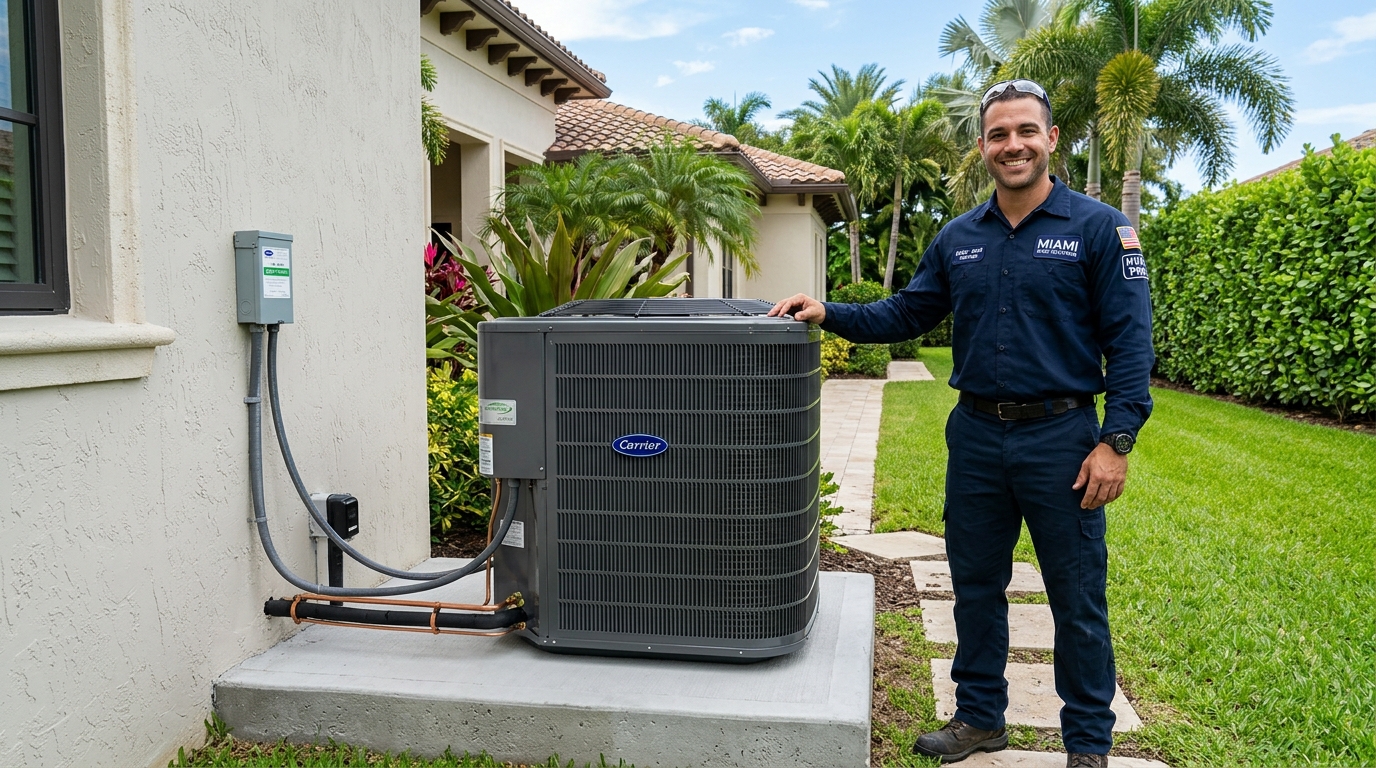
The right replacement depends on which parts of your existing system need attention. Some homeowners may need a complete central AC system replacement, while others may only need a compatible outdoor condenser, indoor air handler, or evaporator coil. We evaluate the existing equipment and replacement requirements before determining which option is appropriate for your home.
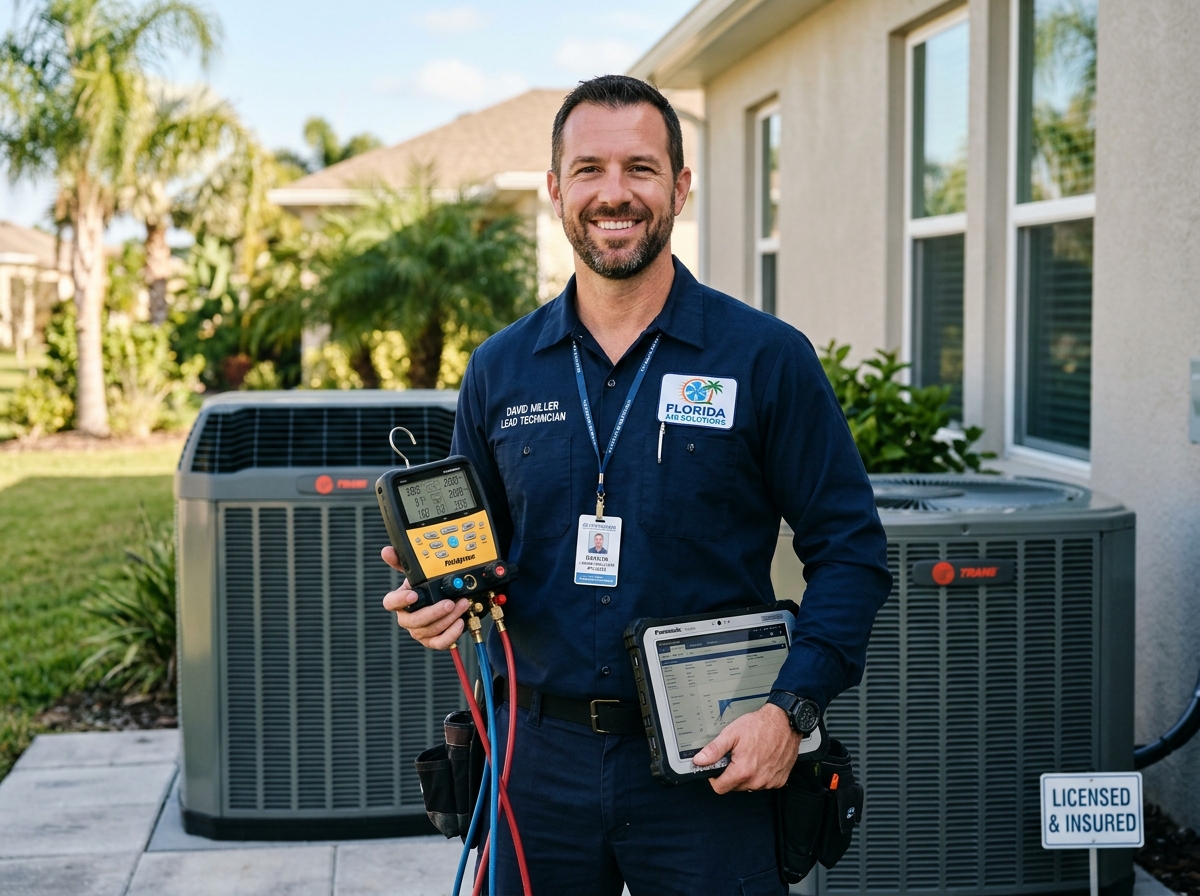
Choosing an HVAC company means trusting someone with your property's comfort and expensive equipment. With 25 years of combined experience across South Florida, we prioritize professional care, accurate diagnostics, and dependable workmanship.
Drawing on 25 years of replacement expertise, we help homeowners select the ideal high-efficiency SEER2 central AC system tailored to their budget and square footage.
Our licensed and insured technicians ensure seamless replacement without property disruption, handling electrical upgrades and code-compliant installations.
Certified HVAC technicians install and match indoor air handlers with outdoor condensers, verifying optimal refrigerant charge and airflow distribution.
We offer upfront, comprehensive replacement proposals outlining system tier options, warranty coverage, and expected energy savings before you decide.
An air conditioner does not automatically need replacement whenever it stops working. Some problems can be resolved through repairs. However, if your existing equipment is becoming unreliable, struggling to cool your home, or requiring repeated expensive repairs, replacing it may be worth considering.
Key signs that replacement should be evaluated:
Our team assesses your equipment to see whether a repairable component or a full replacement makes more financial and comfort sense.
Request Diagnostic Assessment →Yes, replacing only the outdoor condenser or indoor air handler may be possible, depending on the condition and compatibility of your existing AC system. However, choosing the right replacement requires more than matching the size of the old unit. The indoor and outdoor components must work together according to the equipment manufacturer's specifications.
Selecting a replacement air conditioner involves more than choosing a unit with the same tonnage or buying the highest-efficiency model. The replacement should match your home's cooling requirements and work properly with the existing installation. We consider the property's cooling needs, equipment compatibility, and installation conditions.
The correct AC capacity depends on factors such as your home's size, layout, insulation, windows, occupancy, and heat gain. Simply installing the same tonnage as your old unit may not provide the right result, especially if the previous system was incorrectly sized or the property has changed.
A proper cooling-load assessment helps determine the capacity needed for your home. Existing ductwork should also be evaluated because leaks, restrictions, or incorrect sizing can affect airflow and system performance.
Replacing an older central air conditioner gives you an opportunity to compare equipment with different efficiency ratings. SEER2 measures seasonal cooling efficiency and can help homeowners compare eligible replacement models.
A higher-efficiency system may use less electricity under comparable operating conditions, but the actual result depends on equipment sizing, installation quality, thermostat settings, home conditions, and usage.
Replacing an existing air conditioner requires more than removing the old equipment and connecting a new unit. The condition of the current installation, compatibility of the replacement equipment, and any additional work must be considered before the system is put into operation. Here's what the replacement process generally involves.
We start by reviewing your current outdoor condenser, indoor air handler or evaporator coil, electrical connections, refrigerant lines, condensate drain, and accessible ductwork.
The proposed replacement equipment is selected according to your home's cooling requirements and manufacturer specifications, checking matched compatibility.
The equipment included in the scope is disconnected and removed as required. Refrigerant recovery and handling strictly follow EPA and applicable requirements.
Existing refrigerant lines are assessed for sizing and cleanliness. We inspect condensate drain pans, safety float switches, electrical wiring, and accessible ductwork.
The new condenser, air handler, evaporator coil, or complete system is installed according to manufacturer specifications and local hurricane tie-down codes.
After installation, the system is checked to confirm proper operation, evaluating cooling performance, airflow split, drainage, and safety controls.
The cost of air conditioner replacement in Miami depends on the equipment being replaced, the selected system, and the condition of your existing installation. A condenser-only replacement has a different scope from a complete central AC system change-out involving both indoor and outdoor equipment. When preparing an estimate, the following factors affect the proposed work and overall cost:
Replacing one component (e.g. outdoor condenser or indoor coil) generally involves a different scope of work and materials from replacing the complete central AC system.
The required cooling tonnage (typically 2 to 5 tons for residential South Florida homes) affects the equipment model selected and its direct wholesale cost.
Different system types, trusted manufacturer brands, and higher SEER2 energy efficiency ratings carry varying initial investment price points.
Replacing an outdoor condenser may also require an approved matching indoor coil or air handler to satisfy AHRI manufacturer ratings and warranties.
Refrigerant copper line sets, ductwork transitions, electrical disconnects, condensate drain safety switches, and outdoor hurricane hurricane pads may require modifications.
Installation accessibility (closet, attic, or roof) and applicable South Florida municipal building permits and inspections affect the project scope.
At Miami Air Conditioning Repair, our proposed replacement scope clearly details which equipment is being replaced and what work is included without hidden fees.
Browse examples of recent residential central AC replacement and condenser change-out projects completed across Miami-Dade, Broward, and Palm Beach counties.
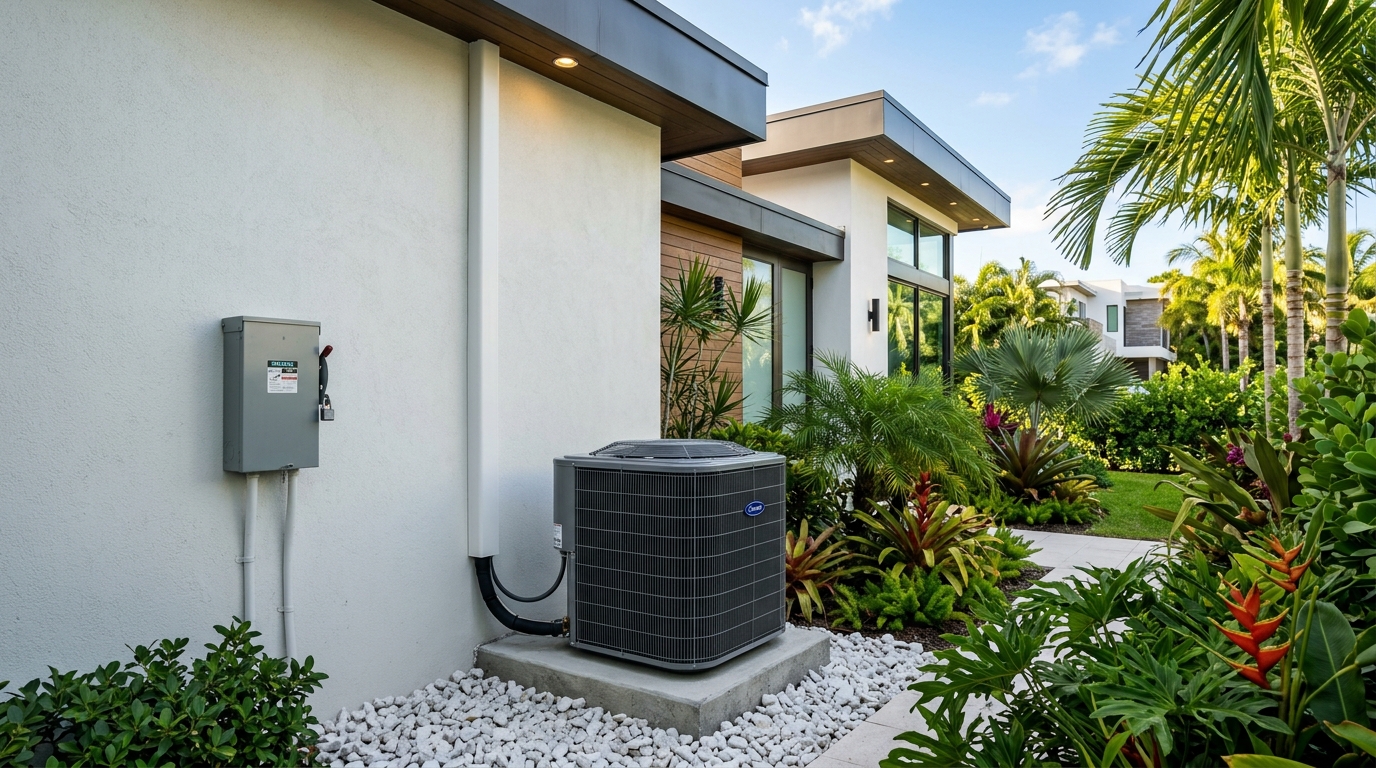 Kendall, FL
Replaced a 17-year-old failed central system with a matched 16 SEER2 condenser, variable-speed air handler, new hurricane pad, and digital smart thermostat.
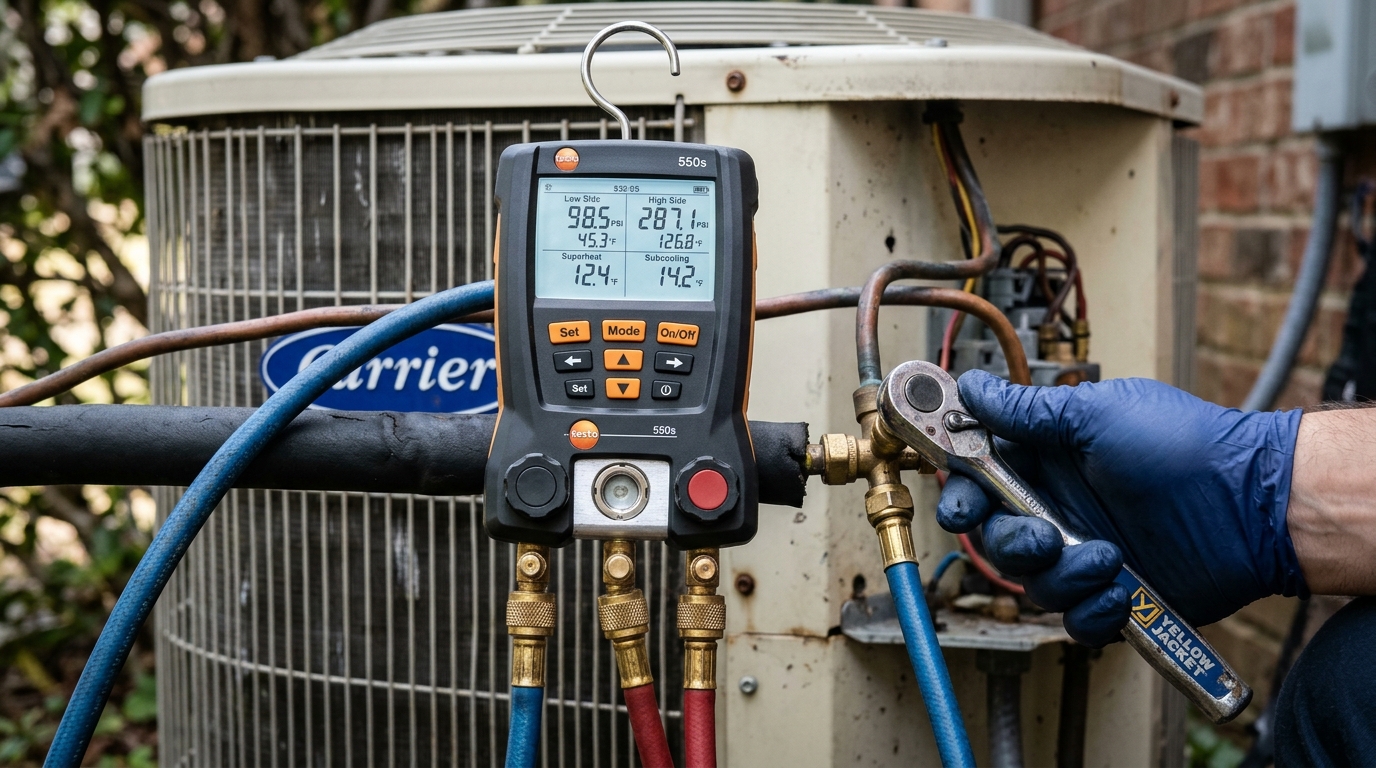 Coral Gables, FL
Evaluated a home with a grounded compressor. Verified indoor air handler compatibility and installed an approved matching outdoor condenser unit.
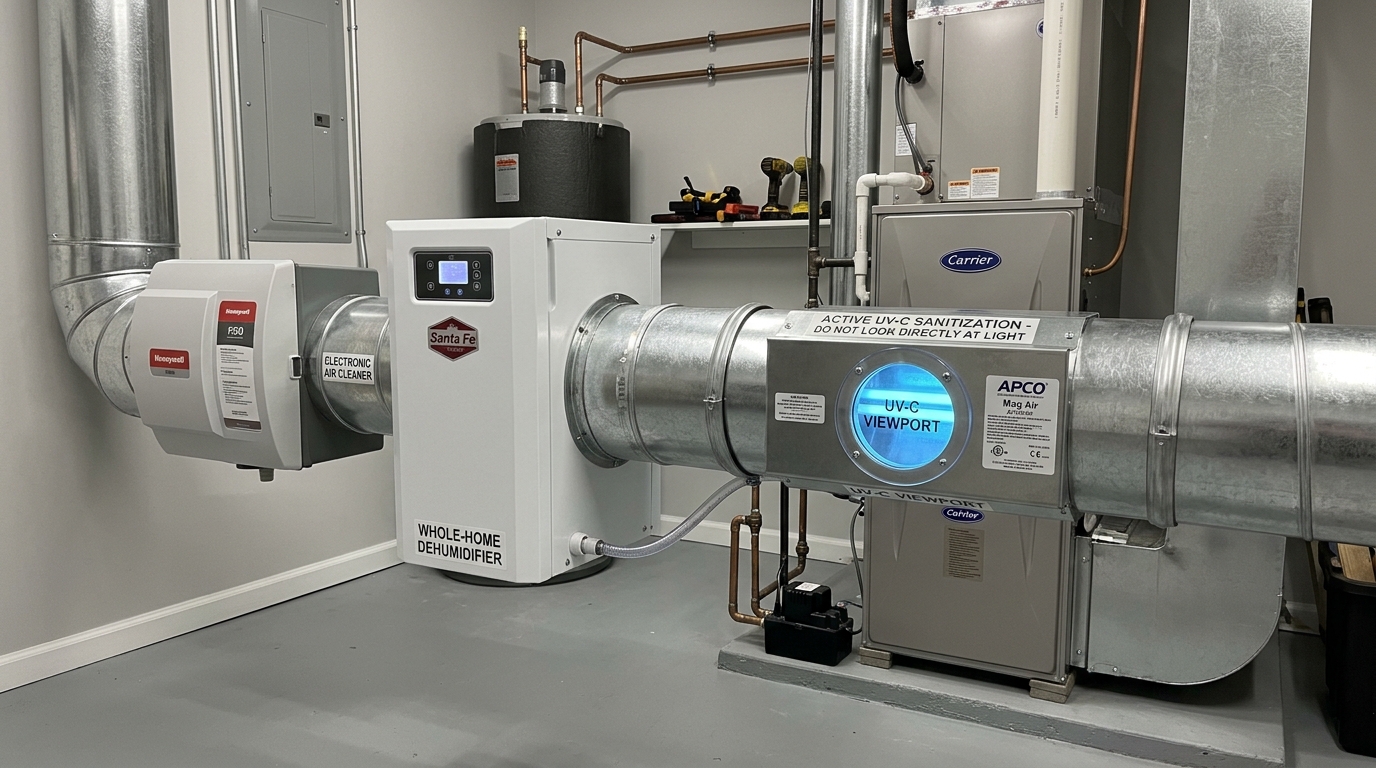 Fort Lauderdale, FL
Replaced a severely corroded indoor coil leaking refrigerant with a factory-sealed aluminum evaporator coil and new primary float switch.
Miami Air Conditioning Repair serves residential customers across Miami-Dade, Broward, and Palm Beach counties. South Florida's heat and humidity place consistent demands on residential air conditioning systems. When an older unit starts struggling, selecting suitable replacement equipment is essential.
Complete residential AC replacement, condenser upgrades, and energy-efficient system change-outs with municipal permit support.
Dedicated HVAC installation crews for residential homes, townhomes, and coastal condominiums needing modern cooling systems.
High-efficiency central air conditioning replacements designed for South Florida's intense humidity and high summer power bills.
Instant verification for Miami-Dade, Broward, and Palm Beach counties.
Read genuine feedback from South Florida property owners about our diagnostic accuracy, professional communication, and dependable workmanship.
"Our old AC had reached the point where fixing it every few months just didn't make sense anymore. We had Miami Air Conditioning Repair help us with the replacement. They explained the available options and helped us choose something suitable for our home. The bedrooms finally stay comfortable in the afternoon."
"Needed a replacement before new tenants moved in. Didn't have time for a lengthy process, so I appreciated the clear communication and straightforward installation arrangements. Everything was handled without unnecessary complications."
Got questions about replacing your residential air conditioning system? Here are straightforward answers from our 25 years of HVAC experience.
Speak directly with a certified HVAC professional. We'll answer technical questions, explain equipment options, and provide a clear written estimate.
The time required depends on the equipment being replaced, the system type, and the condition of the existing installation. A straightforward equipment change-out may take less time than a project requiring ductwork, electrical, refrigerant line, or other modifications. The expected timeline can be discussed once the existing system has been assessed.
Yes, in some cases. However, the existing indoor air handler and evaporator coil must be compatible with the replacement condenser. Our technicians can assess the equipment specifications and explain whether a condenser-only replacement is suitable or whether additional components need to be replaced.
Not always. If the existing air handler and evaporator coil are compatible with the new outdoor unit and remain in suitable condition, they may be reusable. If they are incompatible, damaged, or do not meet the replacement system's requirements, indoor equipment replacement may also be necessary.
Existing ductwork and refrigerant lines may be reused if they are properly sized, in suitable condition, and compatible with the new equipment. Leaks, restrictions, contamination, incorrect sizing, or manufacturer requirements may make modifications or replacement necessary. These components should be evaluated before the replacement begins.
Not necessarily. The correct capacity should be based on your home's cooling requirements rather than simply copying the old unit's tonnage. Property layout, insulation, windows, heat gain, and ductwork conditions can all influence the appropriate system size.
Permit requirements depend on the type and scope of replacement work and the applicable local jurisdiction. The relevant requirements should be checked for your property's location and the work being performed before the project begins.
Your estimate should identify the equipment being replaced, the proposed replacement system or components, and the work included in the project. It should also explain whether existing refrigerant lines, electrical connections, drainage, ductwork, or other installation components require additional work.
The decision depends on the system's age, repair history, condition, cooling performance, and cost of the required repair. If the problem is isolated and the system remains in good condition, repair may be reasonable. If expensive repairs keep recurring or several major components are deteriorating, replacing the system may be a more practical long-term decision.
From precision troubleshooting and emergency summer repairs to seasonal maintenance and high-SEER2 system replacements, explore our full suite of Miami cooling services:
Targeted troubleshooting for ACs blowing warm air, frozen evaporator coils, clogged condensate drains, failed capacitors, and noisy fans.
Custom duct transitions, whole-home central AC sizing, inverter systems, and ductless mini-split installations for Miami homes and additions.
Seamless equipment changeouts for aging, short-cycling units with modern high-SEER2 condensers, air handlers, and matched coils.
Comprehensive 24-point tune-ups, coil cleaning, refrigerant pressure checks, electrical testing, and drain flushing to avoid sudden breakdowns.
Total system shutdowns, water leaks, or electrical burning smells during severe heatwaves. Priority emergency dispatch across Miami-Dade.
If your existing air conditioner is no longer providing dependable cooling, Miami Air Conditioning Repair can help you evaluate the available replacement options. Whether you need an outdoor condenser replacement, indoor air handler replacement, or complete central AC system replacement, our team can assess your existing equipment and explain the proposed work.
Fill out the quick form below for prompt assessment.