Hot Water Heater
Repair in Miami, FL
When your water heater stops producing hot water, takes too long to heat, or starts leaking around the tank, even everyday tasks become difficult. The problem may be a failed heating element, thermostat, electrical connection, gas-control component, valve, or an issue inside the tank. The right repair depends on the type of water heater and where the fault is occurring.
Miami Air Conditioning Repair helps customers address water-heating problems in Miami and surrounding service areas. Whether you have no hot water, inconsistent temperatures, unusual tank noises, or a water heater that keeps shutting off, the first step is to identify what is causing the problem. If your water heater is not working properly, contact our team to discuss the symptoms and arrange an assessment.
Water Heater Repair Services in Miami
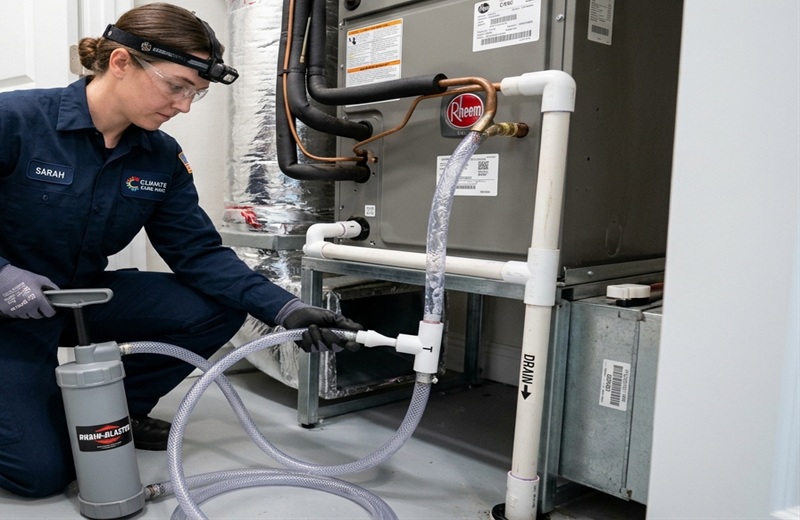
A water heater can lose performance gradually or stop working without much warning. Some problems involve replaceable components, while others point to a leaking or deteriorating tank. Tankless units also have different operating components and diagnostic requirements from traditional storage-tank heaters.
The service needed depends on the equipment installed at your property and the fault identified during assessment:
No Hot Water
Investigating heating, power, ignition, thermostat, or control problems preventing hot water delivery.
Insufficient Hot Water
Checking heating performance, temperature controls, tank capacity, and mineral sediment accumulation.
Water Heater Leaks
Identifying whether water is coming from a connection, valve, drain fitting, or the storage tank body itself.
Electrical Heating Problems
Assessing heating elements, upper/lower thermostats, high-limit resets, wiring, and breaker trips on electric units.
Gas Water Heater Problems
Investigating ignition, pilot assemblies, thermocouples, burner operation, and gas controls where gas service is offered.
Tankless Water Heater Faults
Assessing error codes, ignition, flow-related sensors, scale buildup, and electronic controls on on-demand units.
Unusual Noises or Discolored Water
Investigating mineral sediment popping, sacrificial anode rod deterioration, internal corrosion, and property plumbing causes.
Our aim is to identify whether the unit needs a component repair, corrective work, or a replacement assessment—not to recommend a new heater simply because one part has failed.
Schedule Diagnostic Assessment →Common Water Heater Problems We Inspect & Repair
Explore the common operating faults below to see how our certified technicians diagnose and resolve each specific water heating issue.
Key inspection points:
- Electric heating elements & thermostats
- Temperature & pressure relief valve (T&P)
- Tank shell integrity & fitting leaks
- Tankless heat exchanger scale & sensors
Need Prompt Service?
Our certified technicians diagnose electric, gas, and tankless units across Miami.
Call (305) 902-6113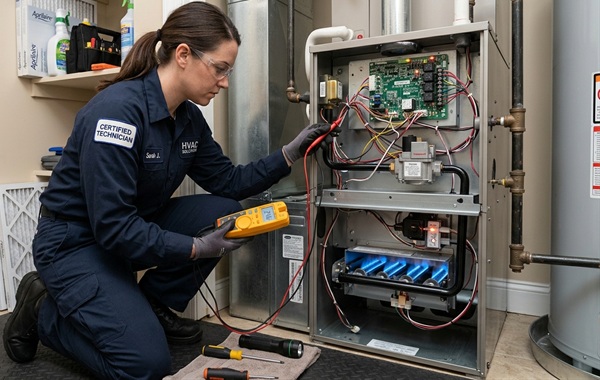
1. Why Is Your Water Heater Not Producing Hot Water?
If you turn on a hot-water faucet and get only cold water, the heater may not be completing its heating cycle. The cause depends on whether you have an electric storage tank, a gas water heater, or a tankless system.
On electric tanks, a tripped breaker, failed heating element, thermostat fault, or connection problem may interrupt heating. On gas models, the issue may involve ignition, pilot assembly, or gas control. Tankless units may stop due to ignition, flow restriction, or system errors.
2. Why Does Your Water Heater Only Produce Lukewarm Water or Heat Slowly?
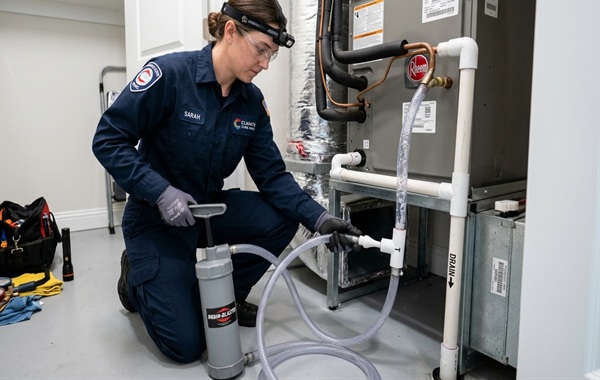
If the water gets warm but never reaches set temperature, runs cold quickly, or takes hours to recover between uses, the heater is struggling to maintain output. Common causes include a burnt heating element, a failed thermostat, sediment insulating the tank bottom, or a damaged dip tube mixing cold and hot water.
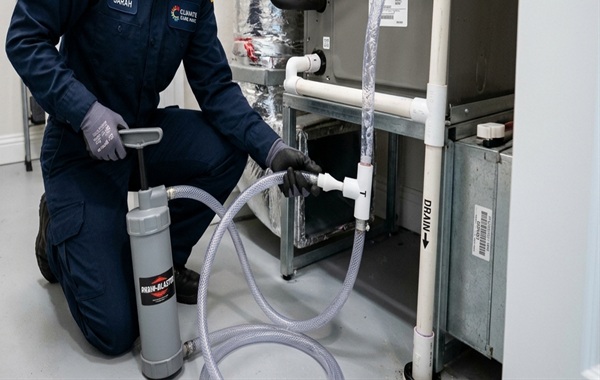
3. Why Is Your Water Heater Leaking?
Water around a water heater should never be ignored. However, not every leak means the tank has failed. Water may come from loose connections, drain valves, temperature and pressure relief valves, or connected pipes.
If water escapes from a connection or replaceable valve, it can be repaired. If the storage tank itself has corroded through, replacing the unit is required because outer sealing cannot reliably fix a tank failure.
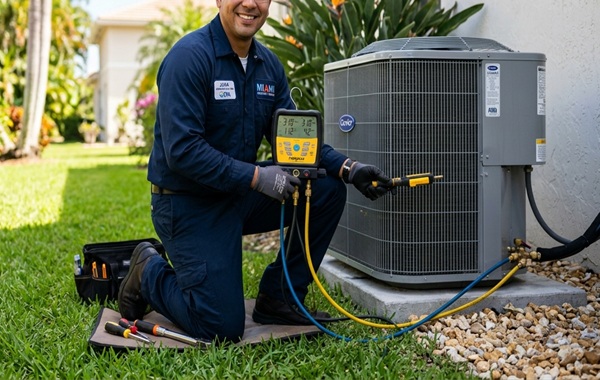
4. Why Is Your Water Heater Making Popping Noises?
Popping, crackling, or rumbling sounds from a storage tank can be associated with mineral sediment collecting at the bottom. As the heater operates, water trapped beneath sediment produces noise as it heats. Other causes include element issues or water pressure changes.
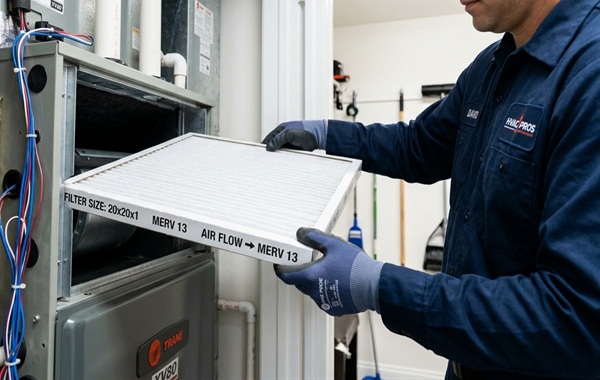
5. Why Is Your Hot Water Rusty, Discolored, or Smelly?
If hot water looks brown or rusty or has an unusual odor, the cause may involve corrosion, sediment, the anode rod, or a water-quality issue. On a storage tank, the anode rod helps protect the tank from corrosion; as it deteriorates, the tank becomes vulnerable to internal corrosion.
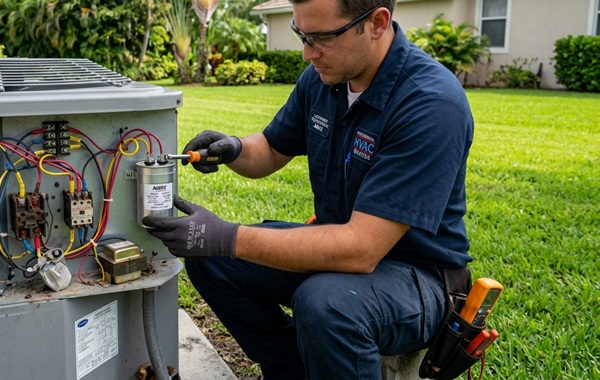
6. Why Does Your Water Heater Keep Tripping the Breaker?
An electric water heater that repeatedly trips its breaker may have an electrical fault, such as a damaged heating element shorting to ground, wiring problem, or thermostat fault causing excessive current draw.
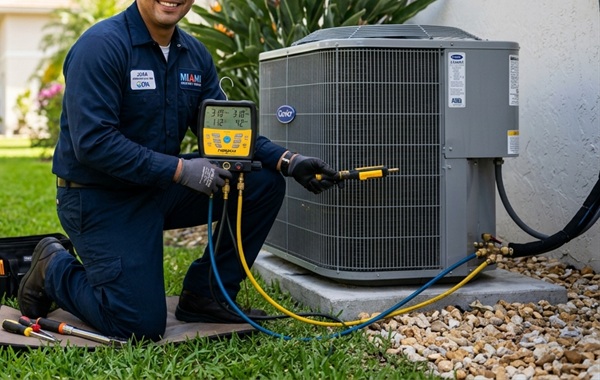
7. Why Does a Gas Water Heater Pilot Light Keep Going Out?
On gas water heaters, a pilot light that repeatedly goes out prevents the burner from heating water. The issue may involve the thermocouple or flame sensor, pilot assembly, gas supply, venting, or a safety control.
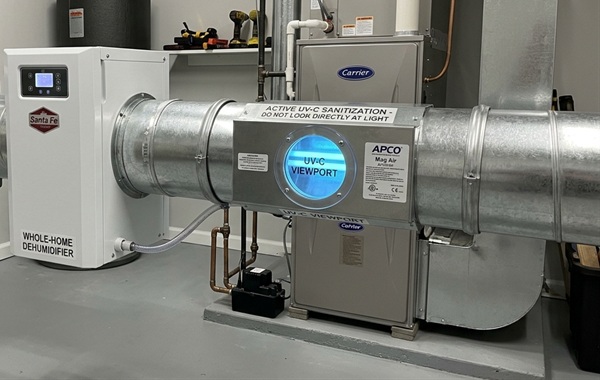
8. Why Is Your Tankless Water Heater Showing an Error Code?
Tankless heaters heat water as it flows, so operating issues differ from storage tanks. A flashing code or sudden shutdown may indicate an ignition fault, water-flow sensor restriction, mineral scale buildup inside the heat exchanger, or temperature sensor errors.
Why Homeowners Call Miami Air Conditioning Repair to Fix the Water Heater
Choosing an HVAC company means trusting someone with your property's comfort and expensive equipment. With 25 years of combined experience across South Florida, we prioritize professional care, accurate diagnostics, and dependable workmanship.
25 Years of HVAC Experience
With 25 years of water heating and mechanical service experience, we diagnose tankless and standard tank water heaters with fast turnaround.
Licensed and Insured Company
Licensed and insured, our technicians follow plumbing and electrical codes to safely replace faulty heating elements, thermostats, and relief valves.
Dedicated, Certified Technicians
We diagnose pilot outages, sediment buildup, thermal cutoffs, and burner malfunctions to get your hot water restored quickly.
Upfront Estimates & Clear Communication
You receive clear diagnostic findings and upfront repair estimates before any parts are replaced or tanks are serviced.
What Water Heater Components May Need Repair?
Different water heater designs use different heating and control components. The correct repair depends on the model and the fault identified during assessment.
Heating Elements
Electric storage-tank heaters use heating elements to warm water. A failed element can cause no hot water, slow recovery, or insufficient hot water. Elements and electrical supplies must be checked before replacement.
Thermostats & Temperature Controls
A faulty thermostat can prevent the heater from maintaining the intended temperature or cause inconsistent heating. Controls and associated components are assessed together.
Anode Rod
The anode rod helps protect the inside of a storage tank from corrosion. If deteriorated, its condition and the tank's overall state should be considered before deciding if replacement is appropriate.
Temperature & Pressure Relief Valve
The T&P valve is a safety device designed to release water when temperature or pressure conditions require it. If it discharges or leaks, the cause needs assessment; it must never be capped or disabled.
Drain Valve & Water Connections
Leaks around the bottom or sides of the heater may originate from a drain valve, connection, or fitting. The source should be traced before deciding which part needs repair.
Gas Ignition & Burner Components
On gas models, pilot assemblies, ignition components, flame sensors, and gas controls can affect heating. These components require appropriate gas-appliance service.
Tankless Sensors & Flow Components
Tankless units use sensors and electronic controls to regulate heating as water moves through the system. Error codes or inconsistent temperatures require checks of flow, sensors, scale buildup, or internal parts.
How Does Our Water Heater Repair Service Work?
The repair process begins with the actual problem and the type of heater installed at your property. Traditional electric tanks, gas storage heaters, and tankless units do not use the same components or diagnostic procedures.
We Understand the Problem
We discuss what you are experiencing: no hot water, lukewarm water, a leak, unusual noise, a tripped breaker, or a tankless error code. We also establish whether it affects every fixture or one area.
We Identify the Equipment
The heater's type, model, fuel source, approximate age, and installation location help determine which components and operating conditions need attention.
We Assess the Reported Fault
The relevant heating components, controls, valves, connections, or tankless operating conditions are assessed according to the equipment and symptoms.
We Explain Recommended Work
Once the cause is identified, the repair requirements and available options are explained clearly, including whether the tank's condition makes repair practical.
We Proceed with Agreed Work
The repair proceeds according to the agreed scope and applicable trade and safety requirements, using precision OEM or exact-match replacement components.
We Check Relevant Operation
After the work, the appropriate heating and operating functions are checked to confirm that the reported problem has been addressed and water heats reliably.
Should You Repair or Replace Your Water Heater?
A water heater that stops heating does not always need to be replaced. A failed thermostat, heating element, valve, or another replaceable component may be repairable if the tank and remaining equipment are in suitable condition.
When Is Water Heater Repair a Practical Option?
Repair is often the logical choice when:
- The problem is limited to a replaceable component (element, thermostat, valve)
- The storage tank is not leaking through its outer shell or body
- The heater is otherwise in reasonable overall operating condition
- Suitable replacement parts are readily available
- The repair cost is proportionate to the unit's remaining useful life
Example: A failed heating element on an otherwise sound electric water heater is a practical repair compared to replacing the whole unit.
When Should You Consider Water Heater Replacement?
Replacement may be the better option when:
- The storage tank itself is leaking or corroded through the body
- The heater has recurring, compounding operational problems
- Major components have failed on an older or outdated unit
- Parts are obsolete, discontinued, or difficult to obtain
- The heater no longer meets the property's hot-water demand
Critical: Once the tank shell has failed, replacing external fittings will not resolve the problem. The decision is based on equipment condition—not age alone.
Recent Water Heater Repairs Across Miami Communities
See how our certified technicians resolved complex electric, gas, and tankless issues across local residential and condominium properties.
Tankless Error Code & Descaling Service
Diagnosed error code 11 (ignition failure) and severe mineral scaling in an oceanfront condominium unit. Performed heat exchanger flush and cleaned flame sensor to restore full endless hot water.
FLOW RATE: 6.2 GPM • RESTORED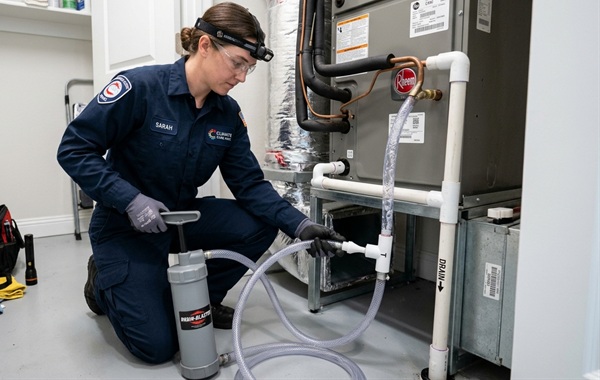
Dual Heating Element & Thermostat Rebuild
Homeowner experienced lukewarm water lasting only 5 minutes. Resistance testing confirmed a burnt lower 4500W element. Replaced both upper and lower elements and thermostats, saving owner from unnecessary tank replacement.
WATER TEMP: 125°F STABLE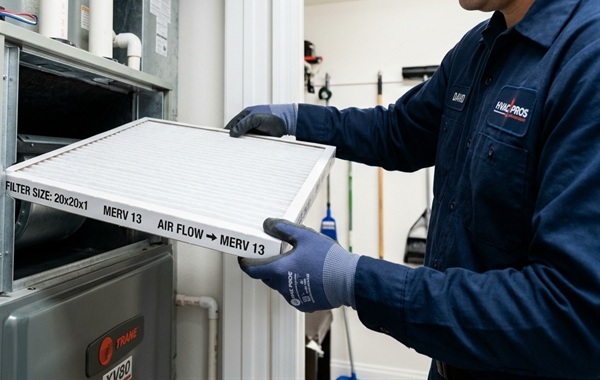
T&P Relief Valve & Brass Drain Retrofit
Water pooling in garage was traced to a weeping temperature & pressure relief valve and cracking plastic drain fitting. Replaced with heavy-duty brass valve and code-compliant copper discharge line.
PRESSURE: 60 PSI STABLEPossible causes include a tripped breaker, failed heating element, thermostat problem, gas ignition fault, or a tankless system error. The cause depends on the type of water heater and needs to be assessed before a repair is recommended.
It depends on where the water is coming from. A leaking connection, drain valve, or relief-valve assembly may be repairable. A leak through the storage-tank body usually means the tank has failed and needs replacement.
Possible causes include a failed heating element, sediment accumulation, a damaged dip tube, insufficient tank capacity, or a tankless system that is not operating correctly. The heater and household hot-water demand should be considered together.
Sediment at the bottom of a storage tank can create popping or rumbling noises as water heats. Other causes are possible, so the tank and heating components should be assessed before deciding whether flushing or repair is appropriate.
A damaged heating element, wiring fault, thermostat issue, or another electrical problem may cause repeated breaker trips. Leave the heater off if the breaker keeps tripping and arrange a professional assessment rather than repeatedly resetting it.
A faulty pilot assembly, thermocouple or flame sensor, gas supply issue, venting problem, or safety control may be responsible. Gas-related faults should be assessed by an appropriately qualified professional.
It depends on the tank's condition, the failed component, parts availability, and the cost of repair compared with replacement. A relatively simple component failure may justify repair, while a corroded or leaking tank body generally calls for replacement.
Many tankless problems can be assessed and may be repairable. The cause could involve ignition, flow sensors, scale buildup, temperature controls, or another internal component. The model and error code help determine the appropriate checks.
Maintenance requirements depend on the manufacturer, model, water conditions, and type of heater. Storage tanks and tankless systems have different maintenance needs. Follow the manufacturer's instructions and have the unit assessed if you notice noise, leaks, inconsistent temperatures, or other changes in operation.
Water Heating & Mechanical Services Across Miami-Dade, Broward, and Palm Beach Counties
We deliver expert HVAC, heating, ventilation, and cooling services across confirmed cities and communities in South Florida. Contact our dispatch team to confirm immediate technician availability at your home or business.
Miami-Dade County, FL
Fast emergency response and same-day scheduling throughout Miami-Dade residential neighborhoods and commercial centers.
Broward County, FL
Licensed technicians dispatched across Broward County with fully equipped service vehicles for fast, effective solutions.
Palm Beach County, FL
Dependable diagnostics, installations, and maintenance for residential homes, condos, and commercial properties.
Not sure whether your property is within our service area?
Contact us with your ZIP code to confirm dispatch availability and estimated technician arrival time.
Request Hot Water Heater Repair in Miami, FL
No hot water, a leaking tank, or inconsistent water temperature can interrupt your daily routine. The right repair starts with identifying the heater type and finding the source of the problem.
Contact Miami Air Conditioning Repair to discuss your water heater issue. When you reach out, let us know:
- Whether your heater is electric, gas, or tankless
- Whether you have no hot water, lukewarm water, a leak, or noise
- The approximate age and model of the unit, if available
- Whether the heater serves a single home, condo, or rental units
Call our team at (305) 902-6113 or submit this form to request service.
Book Water Heater Assessment
Complete this brief form to schedule your system diagnostic assessment.